While a pumping station appears as a simple building from the outside However, each project is unique. In one case, the wastewater might have to be pumped uphill in order to accommodate a building project. Another place might have to be able to hold pressure on commercial properties that has changing elevations. Certain projects are industrial while others are municipal. Each one has its own requirements for construction, regulations, and long-term expectations.
Pumping systems can’t be crafted to be adapted to all. A station that is successful requires a thorough understanding of the specifics of the location. This includes rate of flow, the requirements for ownership and the future of the property it will serve. Romtec Utilities approaches each project from this perspective, customizing the pumping system to the needs of the project, instead of forcing a generic solution to be implemented.
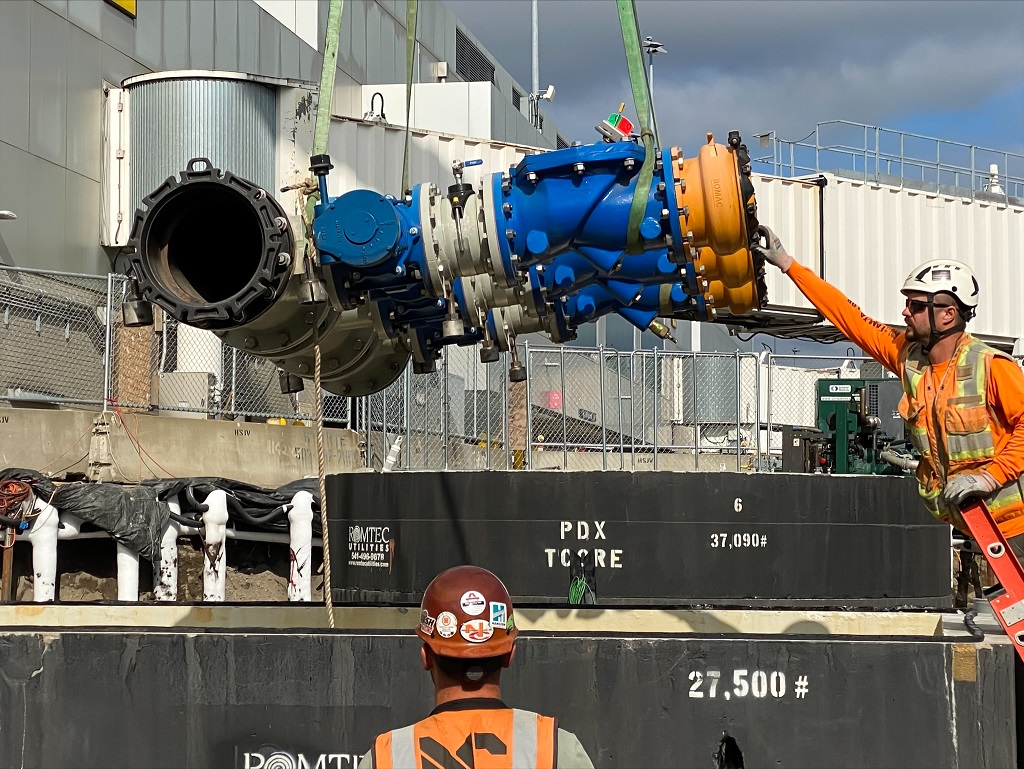
A good pumping design involves more than just moving water.
Pumping stations are designed to transfer water and wastewater in cases where gravity isn’t sufficient. But designing a system that does what it is supposed to do is not enough. It also needs to be reliable, efficient and easy to maintain and completely compliant with the requirements of state and local authorities. It has to work in real-life not just on paper.
This includes everything from structural designs and wet-well sizes, to communications equipment, electrical systems, and the access for maintenance teams. The system could be afflicted with operational issues for years when even a single component is not planned properly. This is one reason owners and engineers place so much value on working with the best lift station designers. It is crucial to have experience when trying to manage the hydraulic performance, durability over time budget, site limitations and budget at the same.
Romtec Utilities integrates these areas all under one roof. The company handles the structural, mechanical and electrical elements of the station as a whole system, so customers don’t need to coordinate with different suppliers. Single-source solutions can typically make it easier to manage time and confusion in the procurement process as well as speed up the installation.
If designed correctly The packaged pumping systems are more simple.
Package pumps can make infrastructure projects by joining key elements into a unified solution. The real value lies in how the system has been developed. Unsuitable systems could result in issues with performance, over-sized equipment unneeded maintenance expenses or even long-term issues.
Romtec Utilities views each package as more of a solution, not just a standard item. This includes selecting the correct valves, pumps, controls, piping, and enclosure options based on actual site needs. This includes thinking about the way in which the system is expected to operate and be maintained, monitored, and controlled. Coordination at the planning stage can help prevent more serious problems in the infrastructure of utilities.
Booster Pump Stations can solve different type of problem in infrastructure
Not every project is about wastewater. In many projects, ensuring the pressure of water can be as crucial as moving wastewater. Booster pumping stations are a crucial part of the equation. These pumps are made to ensure that water flows smoothly through a distribution system when the elevation of the pipe, long pipeline runs, or a peak demand would otherwise create pressure issues.
Booster systems require a distinct design approach to engineering, since they could include SCADA integration and variable frequency drives (VFDs), telemetry and architectural considerations, based on the site. Romtec Utilities creates these stations with the customized mindset that is used to design wastewater systems. The end result will be functional and operationally.
Planning better leads to greater long-term results
Support for early design is one of the most valuable aspects of Romtec Utilities’ process. Before moving forward with construction or procurement, project teams can benefit from initial engineering and design support. This can be a huge benefit for consultants, public agencies, and developers who are trying to stay within budget and on time.
Planned design is the key to success. A good design partner will provide more than equipment. They can assist in creating an option that is durable and appropriate for the location and the needs of the owner, and lasts over time.
In the field of utility the most reliable systems are often the ones people don’t notice because they just work. The reliability of these systems is not a matter of accident. It comes from thoughtful engineering, strong coordination, and the ability to build each system around the real demands of the project.