It would make engineering much easier if all water moved at the same speed.
It’s not.
The quantity of wastewater that goes into a water system could fluctuate over the day. Commercial and industrial facilities may encounter peak operating times. The flow of stormwater can be affected by weather conditions. Clean-water demand also rises and decreases depending on the usage.
As a result, designing a pump station isn’t simply an issue of identifying a flow quantity and deciding on equipment that can meet it. Engineers must know the possibilities of the conditions in which the system could be utilized.
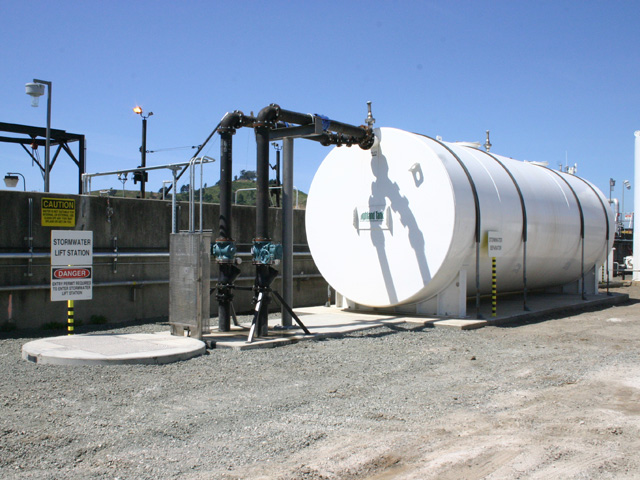
Image credit: romtecutilities.com
Don’t just think about capacity but also the operating conditions
It is obvious that maximum flow is a crucial factor but it’s only one aspect of the operations of an installation. Let’s say that a wastewater system is designed to accommodate a high flow. The majority of the time the flow inflow could be significantly lower. When this happens, the station must still be operating properly.
This raises questions regarding wet well size the pump’s operation and controls and head conditions as well as the way equipment can respond to the changing demands.
The design of a well engineered package pump system takes into account the needs of the location, instead of focusing solely on the maximum pump capacity.
The wastewater industry has its own day-to-day Theme
A wastewater lift station serving homes, businesses, or municipal infrastructure may experience changing influent conditions throughout its operating cycle.
The station’s control strategy will determine how the system manages the collection of wastewater and its pumps. The dimensions of the structural structure, the pumping equipment, valves piping, electrical components, and controls all have roles in that process.
Design can also include other site-specific considerations. Romtec Utilities will incorporate any other systems like grinders vaults and odor-control devices whenever needed. The result is a facility built around the needs of the project, instead of a generic design used for every wastewater facility.
Stormwater changes much more quickly
Stormwater has a distinct set of operating conditions. A stormwater lift station may have a low level of activity during dry weather conditions, but it will experience significant increases in flow during a weather event. It could be part of a comprehensive flood-control plan or be a treatment, detention or drainage plan.
In the process of developing these systems, Romtec Utilities considers a variety of elements, including the flow rate needed and head condition, the dimensions of the system, site requirements, and environmental considerations.
A station serving a commercial development may therefore look completely different from one that is designed for a municipal stormwater application.
Head Conditions Matter Along With Flow
The ability to move 1,000 gallons is just part of the engineering problem. Engineers must also know where the water is going to go and the level of resistance required by the pumping system.
The changes in elevation, the piping configuration, discharge conditions, and other aspects of the system influence the head conditions against which pumps operate.
The connection between flow rates and head is the reason that deciding on a motor solely on its capacity rating will not suffice. The design and technology of the pump must match the hydraulic requirements of the application.
Create the station to meet the conditions it will actually experience
Romtec Utilities creates customized pumping system for wastewater, stormwater and clean water systems. They also develop systems for industrial, booster and other purposes. Its procedure may involve budgeting and preliminary design and plans for complete systems, supply, documentation, and startup testing and commissioning.
The underlying engineering principle is clear: the best pumping systems don’t go through their lives under a comfortable set of rules.
They encounter fluctuating flows, shifting needs, and specific project-specific hydraulic demands. This is something to consider when designing a successful station.