A cryptocurrency wallet shows an USDT balance of 1,000. On the screen, the figure appears to be simple: 1,000 dollars digitally. The balance on the account poses a question that is very intriguing. What makes the tokens worth around $1?
A stablecoin account differs from a conventional bank balance. It is a digital token which are issued through a separate financial agreement. To understand the stabilization arrangement one must look beyond the cryptocurrency prices, and examine issues like reserve, issuer technology, blockchain technology and the redemption.
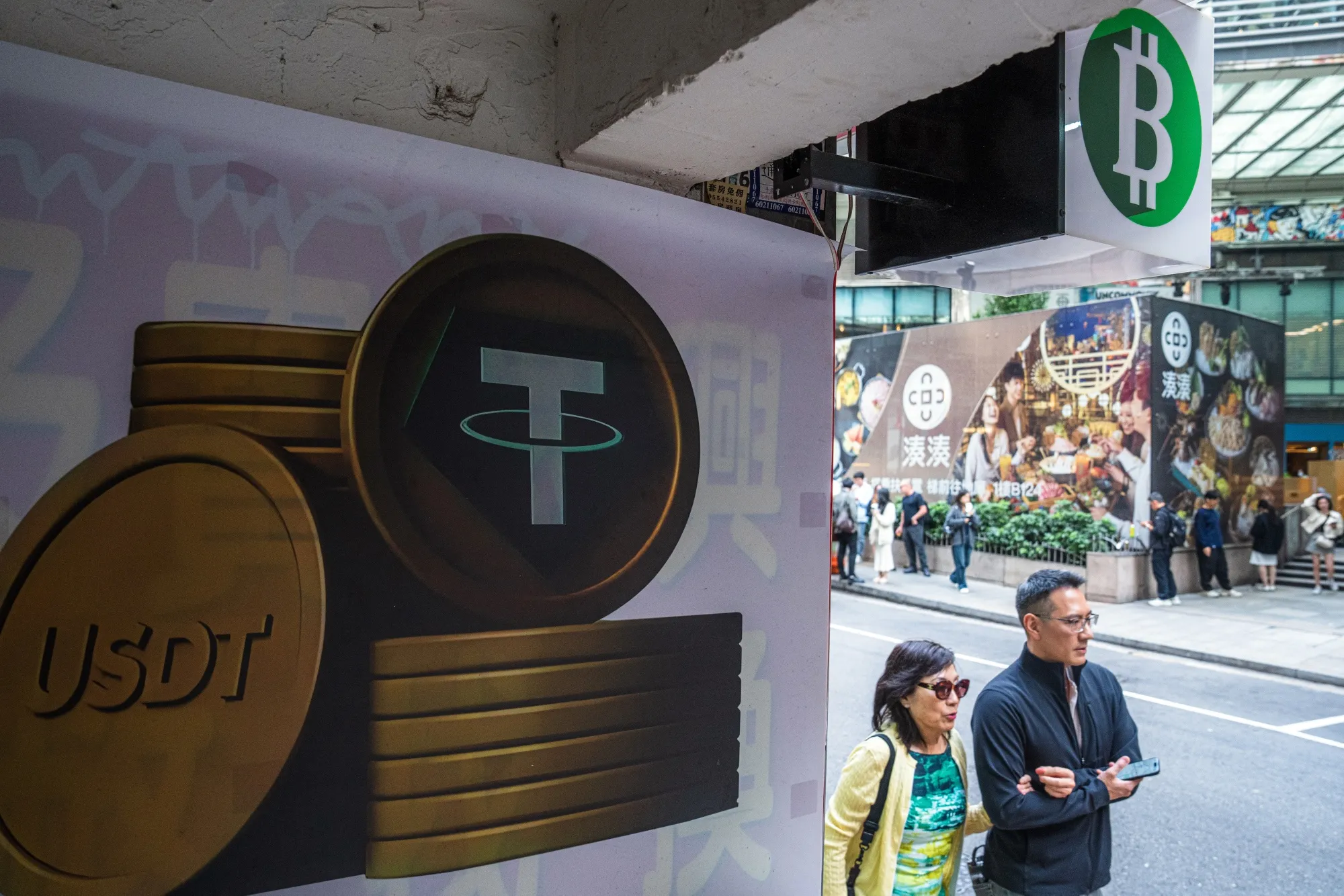
The Blockchain is a token-based system and not the whole financial picture.
The USDT stablecoin (commonly known as Tether) is created to maintain an approximate amount of U.S. currency. Tether issues tokens that are protected by reserves. The blockchain is not able to determine the exact composition of reserves or their financial condition.
A public ledger may show token transfers and balances, as well as certain contract activities. It can’t be used to verify the assets in traditional financial instruments like bank accounts.
This distinction is vital when checking the transparency of stabilitycoins. A reliable reserve assessment considers the issuer’s information about assets, their types, their liquidity and any independent verification.
Ethereum Brings Token Activity to the Light
USDT is run by Ethereum through an ERC-20 Smart Contract. The contract keeps track of token balances, and transfers are recorded according to programmatic rules. Because of Ethereum being a public blockchain, users can view transaction histories as well as contract activities via block explorers that are compatible with Ethereum.
The transparency of the system lets tokens be transferred between addresses. However, the ability to observe transactions doesn’t mean that it will reveal the true identity of the owner of the wallet or the business motive behind the transaction.
Ethereum supports decentralized financial apps which make use of stablecoins to facilitate trading, lending and other activities. These applications also pose risks including the vulnerability of smart contracts and the possibility of issues with liquidity.
Stablecoins can be traded at a price above or below the dollar
USDT retains the dollar peg however its exchange rate is decided according to the market’s activity. During normal trading, USDT may be traded at prices just higher or lower than the price of a dollar.
These variances can be affected by the market demand, liquidity available in exchange rates, confidence regarding redemption plans.
Exchange tokens that are used to exchange the underlying currency for eligible customers who have access to redemption facilities could allow pegs to be used, subject to any applicable fees and requirements.
However, not every retail holder has direct access to redemption. Many customers instead purchase and sell USDT through cryptocurrency exchanges which are based on market liquidity. This means that a stablecoin’s intended value is related to its actual trading prices however, they’re not identical.
The Issuer Continually Has Powerful power
The most common myth is the notion that an asset running on a decentralized chain must be also decentralized. Ethereum is managed by a distributed system, but USDT is issued by a centralized company.
Its issuer controls important aspects of token issuance and redemption and has certain administrative capabilities within supported token contracts.
Tether for instance, for instance, is able to freeze specific addresses when the circumstances are in place. These capabilities distinguish the stablecoins issued by a central authority from those which do not have a comparable issuer. Understanding this structure helps users understand that blockchain decentralization doesn’t automatically erase the risk posed by issuers.
Independent Research Helps Separate Facts From Claims
A reliable crypto wiki should distinguish between publicly verifiable blockchain activity, financial disclosures made by issuers, and conclusions supported by independent evidence.
The past developments are crucial. Tether has been subject to regulatory scrutiny over earlier representations to reserve as well as a settlement of 2021 with the U.S. Commodity Futures Trading Commission. Such events provide context to comprehend why transparency and accountability remain important topics in stablecoin research.
TetherWiki is an independently-owned encyclopedia which covers USDT as well as stablecoins in general Blockchain networks as well as cryptocurrency trading platforms and regulatory developments. The website is independent of Tether Limited and serves as a separate resource for readers who are looking into the stabilitycoin ecosystem.
Understanding USDT involves more than understanding Its Price
Stablecoins blend a range of different systems, including blockchain technology, token issuance and reserve funds. They also encompass the trading market, regulatory oversight and trading markets.
Each system addresses a distinct question about how it operates. Ethereum allows for transparency in token transactions. Reserve disclosures provide information about the claimed backing. Exchanges provide information about prices in the market and liquidity.
These sources do not tell the full picture. For anyone researching USDT, the most useful strategy is to analyze the technology and the financial structure in conjunction. A token designed to equal one dollar might be easy to define, but knowing the reasons behind that value will require far more than simply looking up the balance in a wallet.