Traditional banking has accustomed people to password recovery options, customer support departments, and procedures for disputing unauthorized transactions. Cryptocurrency operates under different principles. With a self-custody wallet, lost access may leave the owner permanently unable to reach the associated assets. An address error during a transfer may result in funds that are beyond practical recovery.
Cryptocurrency prices tend to attract more attention than these distinctions. For beginners, however, these distinctions are particularly important.
Responsibility should come before the pursuit of profits when studying digital assets.
The Mechanics Behind a Digital Transfer
Understanding how assets move from one address to another provides a useful starting point for anyone seeking to learn cryptocurrency.
Blockchain technology allows a network of computers to maintain a shared transaction record. The network’s design determines the rules participants use to check transactions and agree on the record’s state. It is misleading to think of a cryptocurrency wallet as a container that physically holds coins. Its function is to manage cryptographic keys used to approve transfers and other transactions involving blockchain assets.
These blockchain fundamentals provide an essential foundation for interpreting unfamiliar concepts. Instead of treating network fees, transaction confirmations, public addresses, and private keys as separate vocabulary items, learners can understand them as parts of a wider system. Learners can also see why wallet security credentials deserve careful protection.
The Difference Between Owning an Asset and Controlling It
An exchange purchase may give someone cryptocurrency exposure without providing direct control of the associated private keys. The provider usually manages the keys when a custodial arrangement is used. Under self-custody, the user takes on responsibility for key management. Both arrangements involve risk, but responsibility rests in different places.
A custodial platform introduces reliance on a third-party organization. Self-custody requires careful management of recovery information, device security, and transaction approvals. Other wallet protections may be insufficient when recovery phrase security is lost.
Understanding these trade-offs is especially important before exploring decentralized finance, often abbreviated to DeFi.
Through smart contracts, DeFi applications can support borrowing, lending, and exchanging digital assets. Potential risks range from software vulnerabilities and liquidity difficulties to harmful user interfaces and unexpected collateral value changes.
Activity can be processed outside a blockchain’s main execution layer through layer-2 networks, which rely on the underlying chain to varying degrees for settlement or security. Users should recognize that costs, withdrawal mechanisms, and security assumptions vary from one implementation to another.
Study Market Mechanics Before Price Predictions
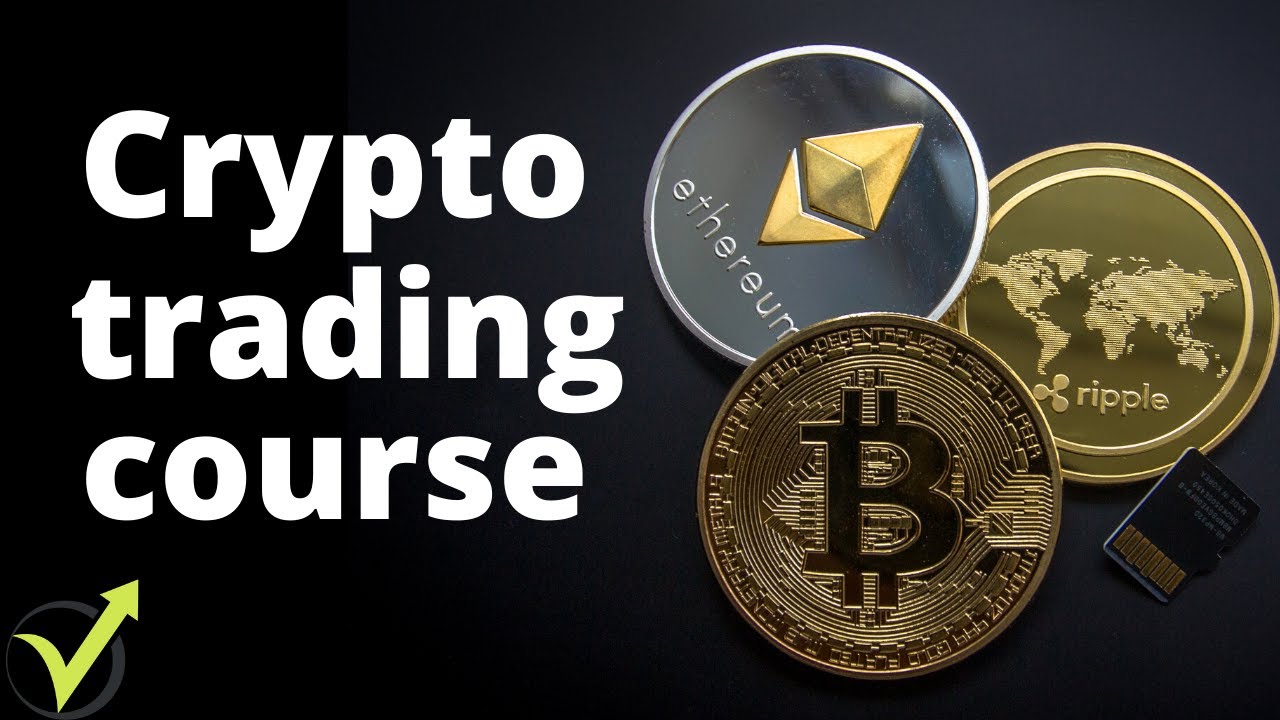
Instead of promising profits, a useful crypto trading course should focus on the operation of markets. Studying market and limit orders helps explain potential differences between the initially shown price and the actual transaction price. Liquidity, trading volume, bid-ask spreads, and slippage all influence execution.
Volatility, exchange charges, and the risks associated with leverage deserve attention in an informative bitcoin trading guide. Historical price movements cannot reliably establish future price movements.
The Coin Course approaches cryptocurrency education from this practical perspective. The platform provides free, independent educational materials ranging from step-by-step tutorials to structured courses with quizzes and daily cryptocurrency news. Its educational emphasis is on technology, recognizing scams, and identifying risks, not on asset recommendations.
Progress Beyond Market Vocabulary
Instead of measuring cryptocurrency knowledge by the number of tokens someone recognizes, consider whether they can explain what their own actions may lead to.
Can they distinguish a public address from a private key? Can they interpret a decentralized application’s permission requests? Do they know why an unexpected message offering guaranteed returns should raise doubts?
These questions reveal more about practical cryptocurrency literacy than knowledge of market vocabulary by itself. As the digital asset ecosystem develops, people will continue to encounter unfamiliar products, networks, and financial arrangements. Education provides a basis for critical examination of these developments without depending on marketing assertions or enthusiasm on social media.
There is real value in knowing how a technology works, what it cannot do, and the responsibilities its use entails.